
L'essenziale è invisibile agli occhi
- Il Piccolo Principe

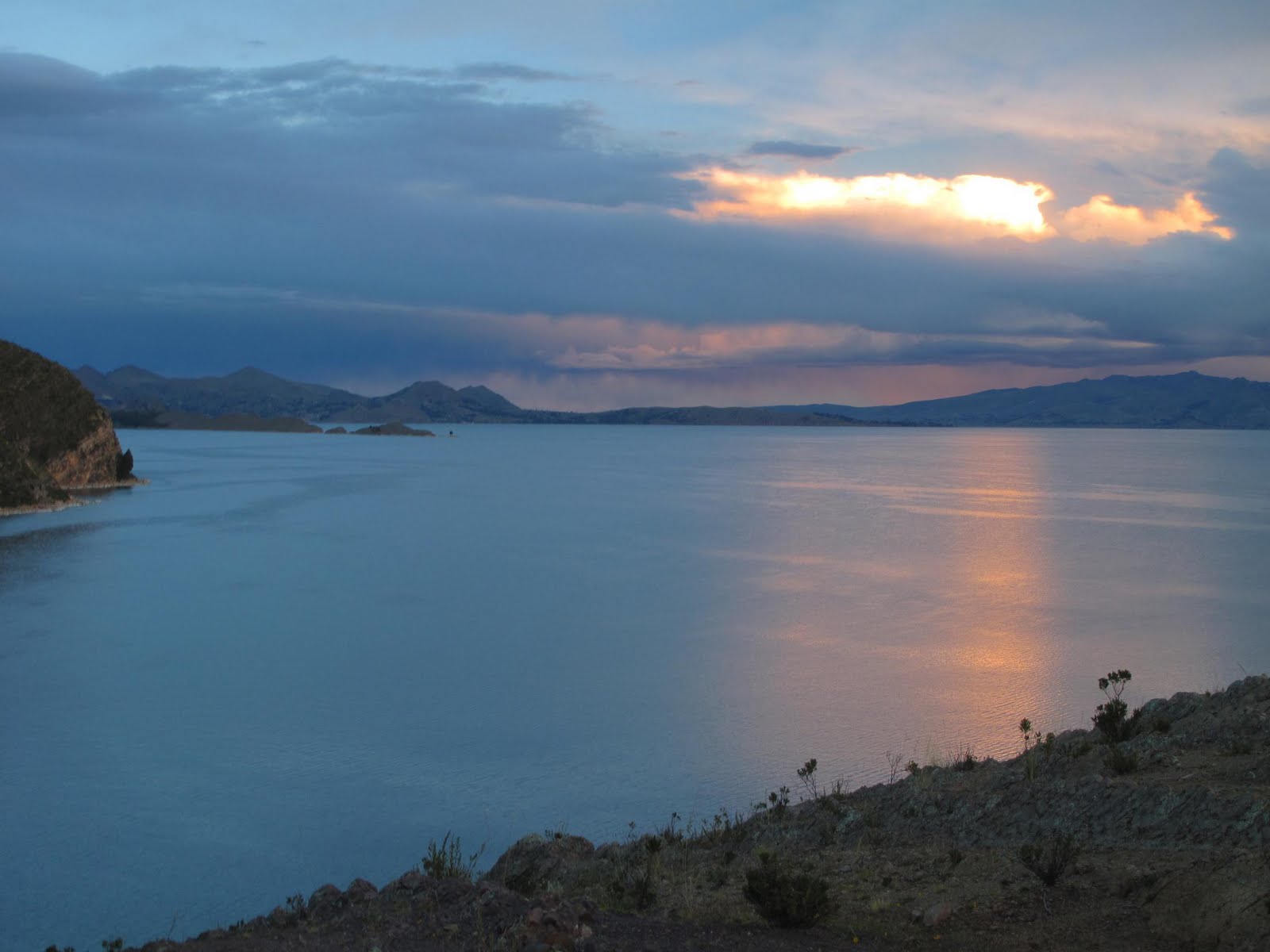
La lancia che mi porta sulla Isla del Sol, nel Lago Titicaca, è piena di turisti. Aspetto di vedere che direzione prendono tutti per andare dalla parte opposta. La scelta è azzeccata, non potevo trovare alloggiamento migliore. La vista dalla camera da letto che mi affitta Eleodoro, il padrone di casa, è spettacolare. I raggi del sole si rincorrono sulla superficie del lago come i bambini dell'isola corrono dietro alla loro palla di gomma. Il lago Titicaca è considerato la culla della civiltà Inca. Il mito della fondazione narra che Manco Capac, il primo Inca, e la sua sposa Mama Ocllo, entrambi figli del sole, giunsero sul lago per portare cultura e tecnologia alle popolazioni primitive e da lì si diressero verso nord per fondare Cusco, la futura capitale dell'impero. La Isla de la Luna divenne il simbolo della donna. È qui che le vergini del sole venivano educate e l'accesso a quest'isola era consentito solo a Manco Capac. Un beato tra le donne versione andina. Ma la Isla de la Luna è conosciuta anche come l'Alcatraz boliviana. Su questi prati venivano detenuti i prigionieri politici della dittatura boliviana degli anni '60. Si vocifera addirittura di una visita in incognito di Fidel Castro per dare forza spirituale ai guerrilleros e incoraggiarli a non abbandonare la loro lotta.

Non ci sono trasporti pubblici per l'isola della luna, bisogna contrattarne uno privato. Grazie ai suggerimenti di Mariano, un amico spagnolo conosciuto qualche settimana prima, vado a colpo sicuro e chiedo a Eleodoro dove vive il Don. No, no, Don Vito Corleone non c'entra nulla. Ma, come il padrino di Coppola, Don Tomas è uno rispettato nella comunità. Un simpatico vecchietto con una storia da raccontare. Quando io e Martìn, un argentino mio vicino di stanza, giungiamo alla casa del Don, troviamo il figlio Adrian ad accoglierci. Don Tomas accetta di affittarci la sua barca per raggiungere l'isola della luna, necessita soltanto di qualche minuto per "prepararla". E la preparazione consiste semplicemente nel porre una bandiera lisa e consunta della Bolivia sul pennone. È Adrian ad accompagnarci sull'isola. Qui, dopo averci raccontato le varie leggende popolari, Adrian ci parla della sua infanzia sull'isola, di quando bambino vendeva pane e acqua ai prigionieri in cambio dei loro lavori artigianali. Adrian era lì il giorno della fuga di Coati, il nome Aymara dell'isola della luna. I 74 prigionieri dell'isola, infatti, riuscirono a pianificare e mettere in pratica la fuga verso le sponde peruviane del lago, per poi dirigersi verso Cuba. Ci racconta delle lezioni di democrazia che Marcelo Quiroga, fondatore del Partito Socialista 1, e il missionario Padre Luis Espinal Camps davano ai bambini della comunità, perché un giorno riuscissero a liberarsi dal giogo della vicina città di Copacabana, che fino a 40 anni fa sottraeva una grossa percentuale dei beni delle due isole. Padre Espinal e Quiroga furono ammazzati anni dopo e del corpo di Quiroga non si è mai trovato traccia. Le ore passano in fretta, distesi sul prato di fronte alle rovine di quello che agli albori della civiltà Inca era il Palazzo delle vergini del sole. L'energia che questo luogo emana è incredibile, le rovine non sono affollate come quelle dell'isola del sole, qui i turisti non arrivano. Siamo solo io, Martìn e Adrian e alcuni abitanti dell'isola incuriositi dalle nostre facce. Al ritorno, Don Tomas ci fa "un'offerta che non possiamo rifiutare", offrendoci una deliziosa zuppa di pesce. È Adrian ad accendere la miccia: "Papà, perché non racconti ai ragazzi della fuga di Coati?" Don Tomas non si fa pregare, calibra i suoi movimenti, si siede lentamente sulla panca di fronte alla porta di casa e così inizia, "Era l'anno 1967..."
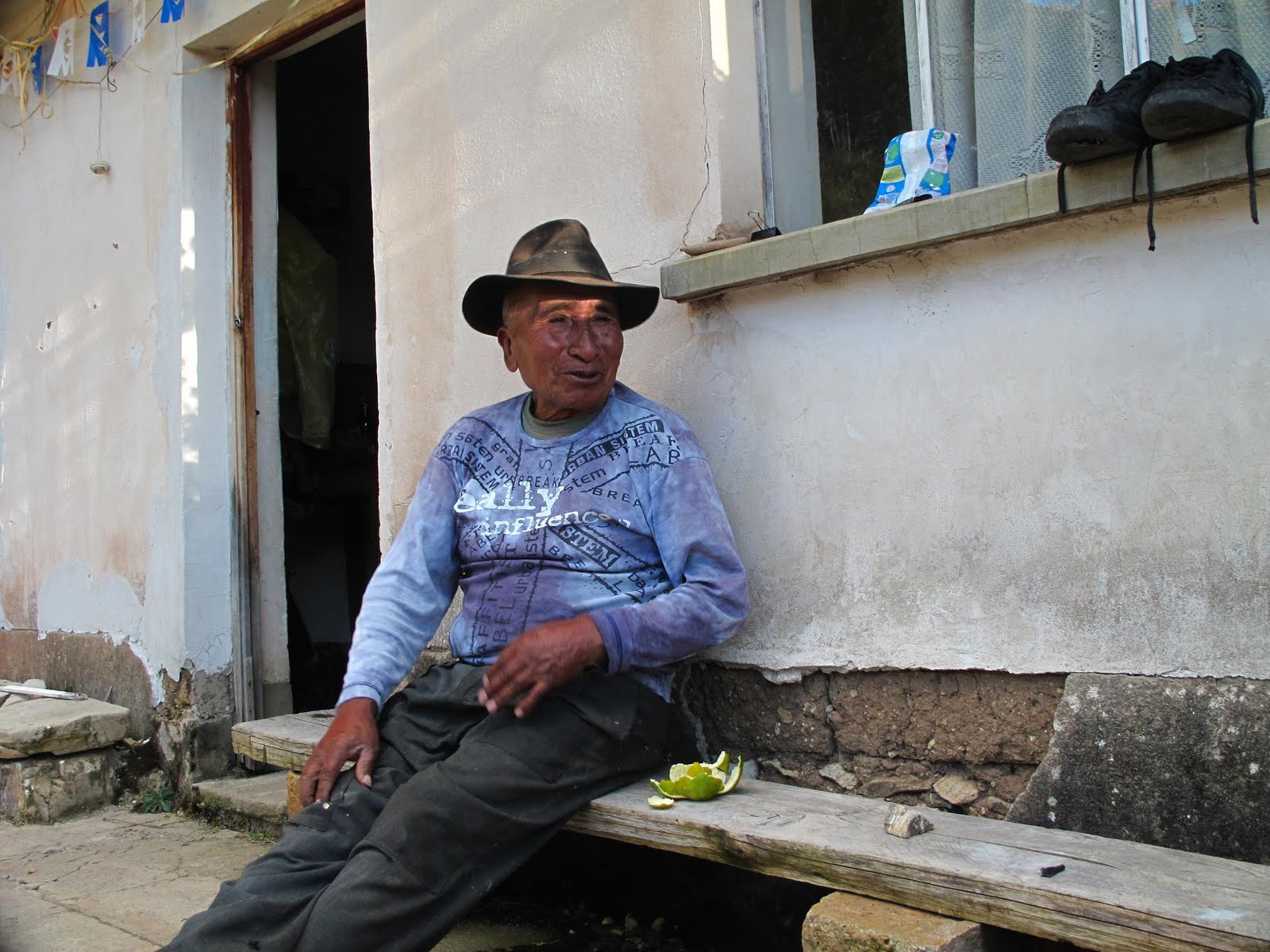
Ci racconta che quando i prigionieri organizzarono la fuga sapevano chi degli isolani aveva una barca. Don Tomas era uno di questi. Gli chiedo se era contento della fuga dei prigionieri, visto che gli isolani avevano simpatizzato con loro. Mi risponde che sì, ne era contento, ma non si aspettava di certo che lo costringessero ad andare con loro fino a Cuba, per proteggerlo dall'esercito della dittatura. A Cuba non arrivò mai, riuscì a scappare dai guerrilleros, ma fu costretto a vivere in esilio in Perù, fino a che cambiò il governo boliviano. Solo allora riuscì a riabbracciare la famiglia, e solo dopo molto tempo riuscì a dimostrare la sua innocenza nella fuga e a riavere la barca che l'esercito gli avevano sequestrato. Ora è più facile capire perché Don Tomas viene invitato a tutte le feste più importanti della comunità. Si fa tardi, dobbiamo andare prima del buio perchè l'illuminazione elettrica è un concetto un po' astratto sull'isola del sole. Io e Martìn camminiamo alla luce delle nostre lanterne, con un chiaro cielo stellato sopra le nostre teste. Il mattino dopo abbiamo modo di parlare con un altro nostro vicino, Rodolfo, un simpatico signore che sembra avere 50 anni mentre la sua carta d'identità dice 78. Gli raccontiamo della storia di Don Tomas, della fuga dei 74, di Adrian e delle lezioni di Marcelo Quiroga. A quest'ultimo nome Rodolfo ha un sussulto. Lui stesso era con Quiroga quando quest'ultimo fondò il partito.
Per completare il cerchio delle coincidenze, prima di prendere la lancia per Copacabana incontro anche Mariano, tornato sull'isola a pagare visita al Don, al lago sacro e alla magia, cinque anni dopo l'ultima volta.
--------------------------------------------------------------------------------------
What is essential is invisible to the eye.
- The Little Prince
- The Little Prince

The boat that takes me to Isla del Sol, the Sun Island on Lake Titicaca, is packed with tourists. I await to see which direction everyone takes to go the opposite way. The choice is good, I couldn't find better lodging. The view from the room I rent from Eleodoro, the landlord, is stunning. The sunrays chase the surface of the lake in the same way the children run around the island after their rubber ball. Lake Titicaca is considered the cradle of the Inca civilization. The founding myth tells that Manco Capac, the first Inca, and his woman, Mama Ocllo, both sons of the sun, came to the lake to bring culture and technology to the primitive peoples, and from there they headed north to found Cuzco, the future capital of the empire. The Isla de la Luna, Moon Island, became a feminine symbol. It is here that the virgins of the sun were educated, and Manco Capac was the only one allowed to access the island. A "lucky with women", Andean version. But the Isla de la Luna is also known as the Bolivian Alcatraz. Political prisoners of Bolivian dictatorship were detained on these meadows, during the '60s. Rumor has it that Fidel Castro himself came here incognito to give spiritual strength to the guerrilleros and encourage them not to abandon their fight.

There 's no public transportation to the Isla de la Luna, it is necessary to contract a private one. Thanks to the suggestions of Mariano, a Spanish friend met a few weeks before, I play it safe and ask Eleodoro where The Don lives. No, no, Don Vito Corleone has nothing to do with this. But, like Coppola's Godfather, Don Tomas is well respected in the community. A nice old man with a story to tell. When I and Martìn, an Argentinian staying in the room next to mine, arrive to the house of The Don, we find his son Adrian to greet us. Don Tomas agrees to rent his boat to go to the Isla de la Luna, only needs a minute to "prepare" it. And the preparation consists in putting a threadbare and worn flag of Bolivia on the flagpole. It's going to be Adrian to navigate us toward the island. Here, after telling us the various popular legends, Adrian speaks of his childhood on the island, when was selling bread and water to the prisoners in exchange for their craftworks. Adrian was there the day the escape of Coati, the Aymara name of the Moon Island, happened.
The 74 prisoners on the island, in fact, were able to plan and put in practice their escape toward the Peruvian side of the lake, before heading to Cuba. He tells us about the lessons of democracy that Marcelo Quiroga, founder of the Bolivian Socialist Party, and the missionary father Luis Espinal Camps gave the children of the community, because one day they could escape from the yoke of the nearby town of Copacabana, which until 40 years ago was getting a large percentage of the production of two islands. Quiroga and father Espinal were killed years later, and Quiroga's corpse was never to be find. Hours go by quickly, with the three of us lying on the lawn in front of the ruins of what once was the Palace of the Virgins of the Sun. The energy that this place gives off is mind-blowing, the ruins are not as crowded as the ones on the Sun Island, tourists don't come here. It's just me, Martìn and Adrian and some islanders who came by, intrigued by our faces.
Back on the Sun Island, Don Tomas makes us "an offer we cannot refuse", a delicious fish soup. Adrian is the one who lights the spark, "Dad, why don't you tell the boys about the escape of Coati?" Don Tomas doesn't need persuading, he calibrates his movements, slowly sits on the bench opposite the house door, and so begins: "It was 1967..."

He tells us that when the prisoners organized the escape they knew who among the islanders had a boat. Don Tomas was one of them. I ask him if he was glad that the prisoners were escaping, as the islanders had sympathized with them. He replied that yes, he was pleased, but certainly did not expect that they forced him to go with them to Cuba, in order to protect him from the army of the dictatorship. He never got to Cuba since he managed to escape from the guerrilleros, but was forced to live in exile in Peru, until the Bolivian government changed. Only then he was able to come back and hug his family, and only after much time he could prove his innocence and get his boat back after the army had seized it. Now it's easy to see why Don Tomas is invited to all the most important festivals of the community.
It's getting late, we need to go before dark since electric lighting is just an abstract concept on the Sun Island. Martìn and I walk in the light of our lanterns, with a clear starry sky above our heads. The morning after we get to talk to another of Eleodoro tennants, Rodolfo, a nice gentleman who seems to be 50 years old while his ID card says 78. We tell him the story of Don Tomas, the escape of the 74, of Adrian and the lessons of Marcelo Quiroga. At hearing this name Rodolfo has a start. He himself was with Quiroga when the latter founded the socialist party.
To complete the circle of connections, prior to leave for Copacabana I meet Mariano, who has returned to the island to pay a visit to The Don, the sacred lake and the magic, five years after the last time.
To complete the circle of connections, prior to leave for Copacabana I meet Mariano, who has returned to the island to pay a visit to The Don, the sacred lake and the magic, five years after the last time.